This post contains Amazon affiliate links. If you buy through one, I earn a small commission at no extra cost to you. It never changes what I write about a book.
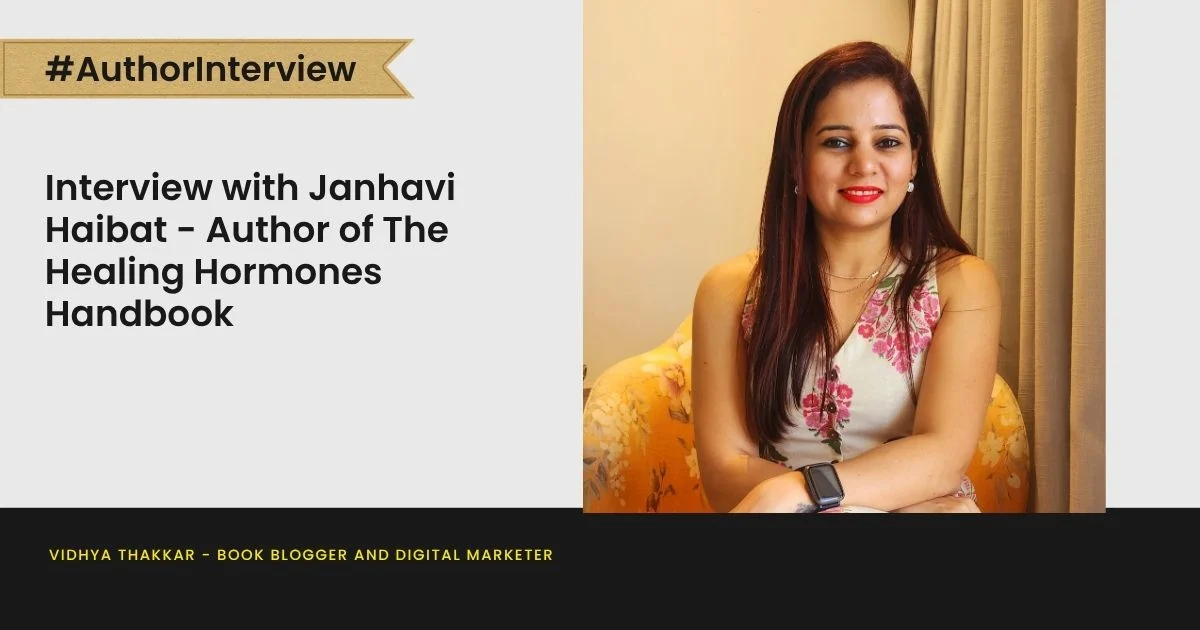
In this conversation, Janhavi Haibat reflects on her journey as a holistic nutritionist, hormone and wellness coach, and author of The Healing Hormones Handbook. She shares the inspiration behind the book, her philosophy on hormonal wellness, the importance of consistency over perfection, and the practical lifestyle habits that empower women to build a healthier relationship with their bodies.
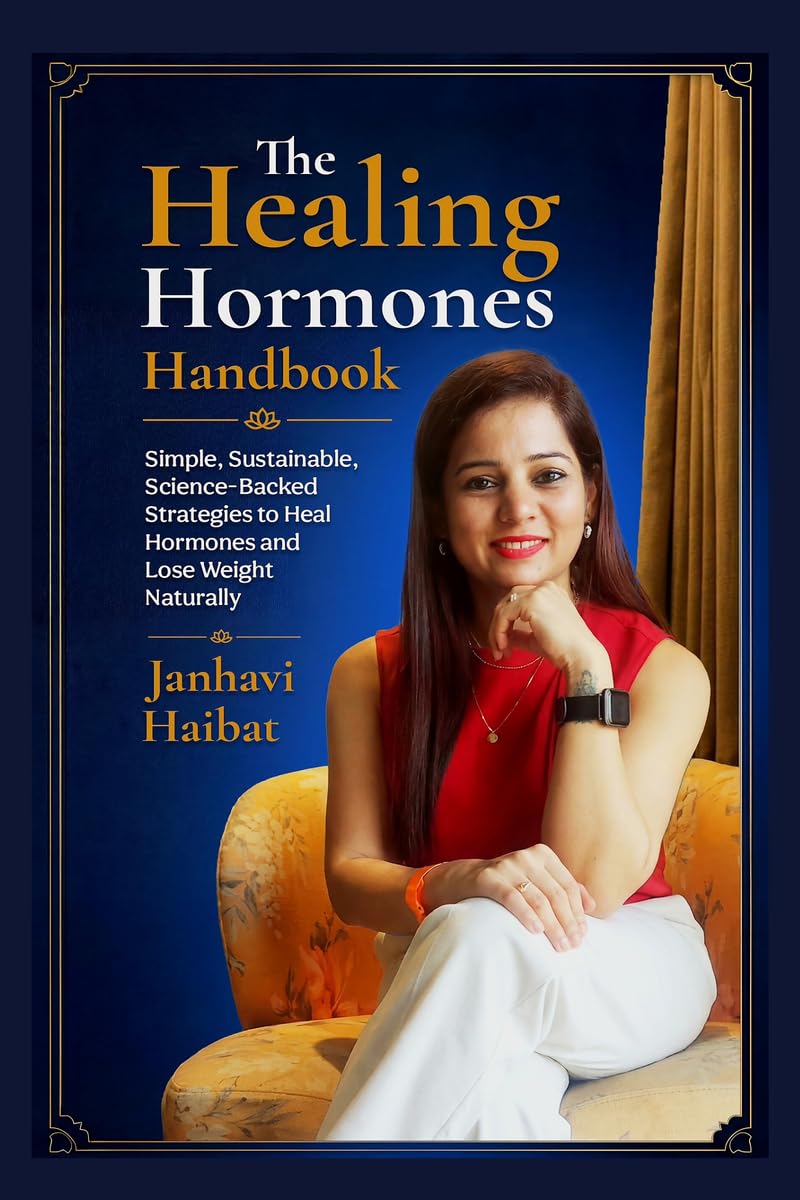
About the Author
Janhavi Haibat is a Holistic Nutritionist, Perimenopause Coach, founder of the SHIFT Method, and author of The Healing Hormones Handbook. She has guided more than 1,000 women to overcome stubborn weight gain, hormonal imbalances, gut health issues and lifestyle-related health conditions by addressing the root causes through nutrition, movement, mindset and sustainable lifestyle changes.
After overcoming her own struggles with obesity, anxiety, gut health issues, poor sleep and multiple lifestyle-related health challenges, Janhavi discovered that true healing is about understanding the body and supporting it holistically. Drawing from both her personal transformation and years of coaching busy working women through perimenopause, she developed the SHIFT Method, a practical, science-backed framework that combines hormone-friendly nutrition, strength training, stress management, emotional wellbeing and sustainable habits to create lasting health.
Through The Healing Hormones Handbook, Janhavi’s mission is to help busy women understand their changing bodies, navigate perimenopause with confidence, build strength from the inside out, and realise that healing is about making small, consistent choices that transform health for life.
Get your copy here https://link.amazon/B0hFTcIEv
Interview
Q) Many women tell you, “I’m eating healthy, but I’m still gaining weight.” In your experience coaching thousands of women over 35, what common patterns made you realise that weight gain isn’t simply about eating less and exercising more? What are the biggest root causes you uncover, and how does The Healing Hormones Handbook help readers identify and address them?
One of the biggest lessons I’ve learnt from coaching thousands of women over 35 is that weight gain is rarely just about eating too much or exercising too little. As women enter perimenopause, hormones begin to shift, muscle mass naturally starts declining, and factors like chronic stress, poor sleep, gut health, blood sugar imbalance and nutrient deficiencies all affect metabolism.
Many women are eating what they believe is healthy but are unknowingly under-fuelling their bodies, losing muscle over time or constantly dieting, all of which can slow metabolism and make weight loss harder. That’s why I wrote The Healing Hormones Handbook. Instead of telling women to simply “eat less and move more,” the book helps them understand why their body is changing and how to work with it through simple, science-backed habits. When we address the root cause rather than just the symptom, weight loss becomes healthier, more sustainable and much less frustrating.
Q) The SHIFT Method is the foundation of both your coaching and The Healing Hormones Handbook. Can you walk us through each pillar and explain how it helps women move from exhaustion and stubborn weight gain to sustainable energy, strength and confidence?
The SHIFT Method is the heart of everything I teach because true healing is about much more than food alone.
S stands for Stress & Sleep Reset, because a tired, stressed body struggles to heal. H is Hormone-Friendly Nutrition, focusing on balanced meals instead of restrictive diets. I is Inner Healing, helping women overcome emotional eating, guilt and limiting beliefs. F is Fitness That Feels Good, with a strong focus on strength training and enjoyable movement rather than punishment. T stands for Tiny Habits, because lasting transformation comes from small, consistent actions, not perfection.
Together, these five pillars help women improve their hormones, build strength, regain energy and create healthy habits that fit into real life. My goal is not just weight loss; it’s helping women build a healthier body they can enjoy for years to come.
Q) One of the women you write about in the book struggled with knee, heel and foot pain, stubborn weight gain, fatigue, brain fog and mood swings during perimenopause. What were the real root causes you uncovered, and which changes created the biggest transformation in her health?
When she first came to me, she believed her pain, fatigue and weight gain were simply part of getting older. But as we looked deeper through a detailed health assessment, lifestyle history and her blood reports, we uncovered a combination of chronic inflammation, low muscle mass, inadequate protein intake, chronic stress, poor sleep, mood swings and the hormonal changes of perimenopause. Rather than chasing quick weight loss, we focused on nourishing her body, improving the quality, timing and balance of her meals, improving sleep, managing stress, building emotional resilience, gradually introducing strength training, and reducing inflammation through anti-inflammatory nutrition and simple, sustainable lifestyle changes. Over time, her knee, heel and foot pain reduced significantly. Her energy improved, she felt lighter, stronger and more confident, and she naturally lost 8 kg. Her story is a reminder that our body often gives us warning signs long before disease develops. When we listen to those signals and address the root causes instead of just treating the symptoms’, lasting healing is possible.
Q) There’s another powerful client story in the book about a woman living with irregular menstrual cycle, diabetes, joint pain and the emotional challenges of raising a neurodivergent child. Her transformation wasn’t just about losing weight; it was about getting her life back. What were the key breakthroughs, and what can readers learn from her journey?
Her journey touched me deeply because she was balancing diabetes, joint and chest pain, irregular menstrual cycles, feeling emotionally drained, and the daily demands of raising a neurodivergent child. She didn’t need another strict diet or unrealistic routine; she needed a plan that worked with her life, not against it.
We focused on stabilising her blood sugar through mindful nutrition, adding simple daily movement, gradually introducing strength training and weight lifting, managing stress through mindfulness, improving sleep, practising visualization and mindfulness, working on mindset shifts, and building small, sustainable habits that she could realistically maintain.
The transformation wasn’t just physical. Her blood sugar improved, she gradually lost 14 kg, her joint pain reduced, and her energy increased dramatically. She became happier, more active, focused and productive, regained her confidence, and most importantly, she felt capable and in control of her health again. Her story reminds us that healing doesn’t require a perfect life—it requires small, consistent steps taken every day. When we stop chasing perfection and start building sustainable, holistic habits, lasting transformation is possible.
Q) Many women feel they need strict diets or hours in the gym to lose weight after 35. Based on your experience, how can small, consistent lifestyle habits help women naturally lose weight, improve their hormones and rebuild a healthier body?
One of the biggest myths I want to break is that transformation requires extreme cardio, strict dieting or spending hours in the gym. In reality, our body responds best to consistency, not extremes. Simple habits like prioritising protein and fibre, eating regular nourishing meals instead of long gaps between meals, walking after meals, staying active throughout the day through NEAT (Non-Exercise Activity Thermogenesis), strength training two to three times a week, improving sleep, regulating emotions, building strong emotional boundaries, and managing stress can significantly improve hormone health, metabolism and energy levels. These habits may seem small, but when practised consistently, they create powerful and lasting changes. Sustainable health isn’t built through perfection—it’s built through simple routines that become part of your lifestyle.
Q) Many women believe perimenopause means they have to accept weight gain, poor sleep, brain fog and low energy as their new normal. Based on your experience, what can actually be improved, and what gives you hope for women in this phase of life?
Absolutely not. Perimenopause is a natural transition, not a disease or the end of good health. While hormonal changes can lead to symptoms like weight gain, poor sleep, brain fog and low energy, research shows that many of these symptoms can be improved through simple lifestyle changes. Supporting the body through nourishing food, strength training, quality sleep, stress management and gut health helps maintain muscle, improve metabolism, balance blood sugar and boost overall wellbeing.
What gives me hope is seeing these transformations every day. Women often come to me feeling defeated, frustrated by stubborn weight gain, mood swings and low energy, believing their body is working against them. A few months later, they realise their body wasn’t the problem; it simply needed the right support, nourishment and care. Our bodies have an incredible capacity to adapt and thrive when we give them the right support. My hope is that every woman realises perimenopause isn’t something to fear; it’s an opportunity to become stronger, healthier and more connected to her body than ever before.
Q) Your book places a strong emphasis on muscle, metabolism and strength training. Why do you believe building muscle is one of the best investments a woman can make after 35, and why is it still so often overlooked?
From the age of 35 onwards, many women begin to experience a gradual decline in muscle mass and strength; a natural process called sarcopenia that accelerates during perimenopause and menopause. Research consistently shows that muscle is essential not just for strength, but also for maintaining a healthy metabolism, balancing blood sugar, protecting bone health and supporting healthy ageing.
Unfortunately, many women have been taught to focus only on losing weight instead of building strength. But after 35, the goal shouldn’t simply be to weigh less; it should be to preserve muscle, stay active and build a strong, resilient body. To me, strength training is one of the greatest investments a woman can make for her future health. It helps preserve muscle, strengthens bones, improves insulin sensitivity and metabolism, reduces the risk of falls and fractures, and boosts confidence and independence. More than changing how you look, it changes how you feel and how you age.
Q) If a woman in her late 30s or 40s finishes reading The Healing Hormones Handbook, what do you hope she feels, believes and starts doing differently the very next day?
More than anything, I want women to realize that their body is constantly communicating with them; it simply needs the right support, nourishment and care. I want them to understand that lasting health doesn’t come from another crash diet or quick fix. It comes from understanding their body, making informed choices and taking one small step every day. I’ve seen women transform their health not by chasing perfection, but by consistently honouring their body’s needs. When they learn to nourish themselves, build strength, prioritise rest, manage stress, create healthy emotional boundaries and embrace simple routines that fit into their busy lives, remarkable transformations happen. They don’t just lose weight; they gain energy, confidence, resilience and a whole new relationship with their body.
I know this because it’s been my own journey too. For years, I struggled with anxiety, gut health issues, poor sleep and being overweight, which eventually led to multiple health challenges. It wasn’t a quick fix or a miracle diet that changed my life. It was balanced nutrition, mindfulness, strength training and sustainable lifestyle changes that helped me heal, reverse several lifestyle-related health conditions and eventually dedicate my life to helping other women do the same.
My message is simple: healing is about being consistent. It’s never too late to take charge of your health, build a stronger body and create the vibrant life you deserve. I hope every woman finishes The Healing Hormones Handbook feeling empowered, hopeful and confident that small, sustainable changes can really transform her health from the inside out.
Get your Book Reviewed by Vidhya Thakkar – Connect us Now
Frequently Asked Questions
1. Who is Janhavi Haibat?
Janhavi Haibat is a holistic nutritionist, hormone and wellness coach, perimenopause coach, and the author of The Healing Hormones Handbook. She is passionate about helping women improve their health through sustainable lifestyle changes and holistic wellness practices.
2. What is The Healing Hormones Handbook about?
The Healing Hormones Handbook explores hormonal health through a blend of science-backed strategies and holistic practices. It covers topics such as PCOS, thyroid health, menopause, stress management, nutrition, sleep, recovery, and mindful living.
3. What does Janhavi Haibat discuss in this interview?
In this interview, Janhavi talks about her journey as a health coach and author, the inspiration behind The Healing Hormones Handbook, common misconceptions about hormonal health, the importance of consistency, strength training, perimenopause awareness, and practical wellness habits.
4. Why is consistency important for hormonal health?
According to Janhavi, lasting wellness comes from consistent, sustainable habits rather than extreme diets or intense fitness routines. Small daily changes can create meaningful long-term improvements in overall health.
5. Who should read this interview?
This interview is ideal for readers interested in hormonal health, women’s wellness, holistic nutrition, healthy lifestyle habits, and anyone looking to understand the philosophy behind The Healing Hormones Handbook.
6. What makes Janhavi Haibat’s approach to wellness unique?
Her approach combines evidence-informed nutrition, lifestyle coaching, emotional well-being, and practical habit-building. She encourages readers to listen to their body’s signals and focus on progress rather than perfection.