This post contains Amazon affiliate links. If you buy through one, I earn a small commission at no extra cost to you. It never changes what I write about a book.
About The Author
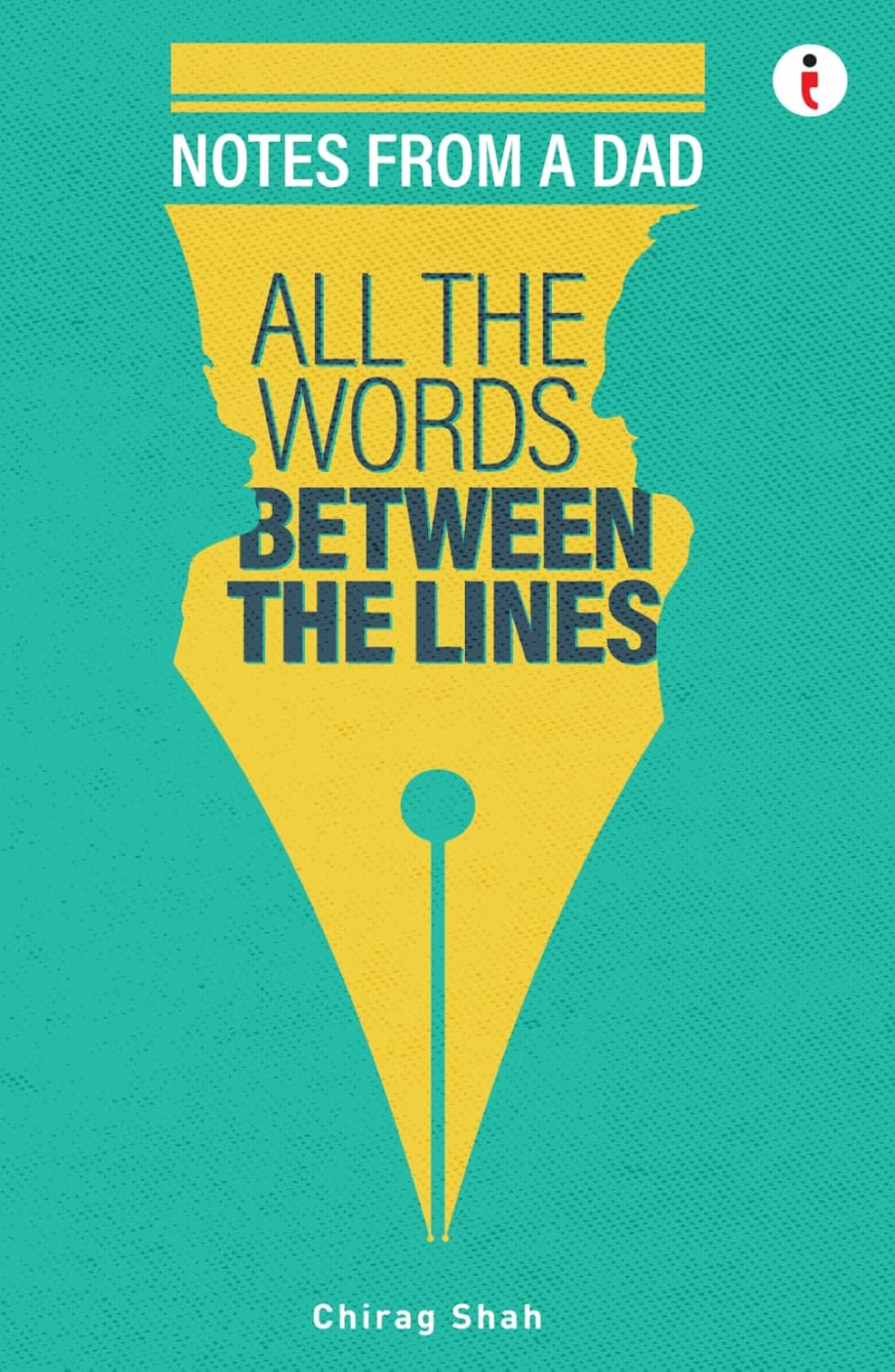
Chirag Shah is an engineer by training, a businessman by work, and a safety professional by purpose—but above all, a father. He scribbled simple reflections for his kids—lessons shaped by mistakes, relationships, and quiet introspection. His children believed those notes had value beyond their home, and that belief gave birth to this book.
It’s about what doesn’t change: kindness, honesty, love, and perspective. He writes not to teach, but to remember, to feel, and to leave behind words that might help someone find their way.
Get your copy here – https://amzn.to/4my3it9
Also Read: Book Review: All the Words Between the Lines – Notes from a Dad by Chirag Shah
Interview
Q) What was the moment or thought that made you start writing these notes for your children?
There wasn’t one dramatic moment. It was a quiet realization. I may not always be around when my children need guidance the most. Life doesn’t give notice. I wanted my thoughts, my mistakes, and whatever little understanding I have of life to stay with them, even in my absence. That’s how it began.
Q) Did you always intend for these personal reflections to become a book, or did that idea come later?
No, never. This was never meant to be a book. These were private notes, almost like conversations I was having with my children on paper. The idea of a book came much later, when I felt these thoughts may not just belong to my children. Maybe they could help someone else too.
Q) The title, “All the Words Between the Lines,” feels very meaningful — what does it personally represent to you?
What we say openly is often the smallest part of what we mean. The real message sits quietly between the lines. In pauses, in tone, in what we choose not to say. This book is about those unsaid things. The deeper layer beneath simple words.
Q) How did you decide what lessons or thoughts were important enough to include in the book?
I didn’t chase big ideas. I chose what felt true. If something came from experience, from a mistake I made, or something I understood the hard way, it went in. If it sounded clever but wasn’t lived, I left it out.
Q) Were these notes written over time, or did you sit down intentionally to create them as a collection?
They were written over time. Different moods, different phases, different learnings. That’s why the book feels like life. It’s not linear, it grows.
Q) Did you ever struggle with keeping the writing simple, instead of expanding into something more detailed?
Yes, often. It’s easier to sound impressive than to be clear. I had to keep reminding myself that this was not about showing how much I know. It was about saying what matters, in a way that stays.
Q) Many of your reflections focus on small everyday choices — why do you think these matter more than big life decisions?
Because life is not built on big decisions. Those come once in a while. Life is shaped by what you do every day. How you speak, how you react, how you think when no one is watching. Small things don’t look important, but they decide everything.
Q) if your children could take away just one lesson from this book, what would you want it to be?
Don’t run away from truth. About yourself, about others, about life. Facing it may hurt, but avoiding it damages you slowly.
Q)The book features insights from over 50 leaders. Was there a particular story or lesson that stayed with you personally while writing it?
Technology will continue to evolve, but human insight and wisdom tend to endure. That kind of wisdom cannot be taught; it must be experienced through authentic, mutually rewarding relationships. Success, therefore, is not just about doing the right things. It is also about learning to glean what the ecosystem around you has to offer.
Q)While writing these notes, did you ever feel like you were also speaking to your younger self?
All the time. In many places, I was correcting myself. Saying things I wish someone had told me earlier, or things I was not ready to hear at that time.
Q) Was there a chapter that was particularly emotional or difficult for you to write?
The ones about relationships and words. Because I have seen how much damage a few careless words can do. And how an apology, no matter how sincere, does not always repair what was broken.
Q) How would you suggest readers approach this book — in one go or slowly, one chapter at a time? Do you see this book as something readers return to at different stages of life?
Slowly. One chapter at a time. This is not a story you finish. It’s something you sit with. And yes, I do believe people will come back to it. The same words mean different things at different stages of life.
Q) If this book could speak one sentence directly to a reader who feels lost right now, what would it say?
You are not as lost as you think. You are just in a phase where clarity has not caught up yet.
Q) If you were to write a second volume, what new themes or reflections would you explore?
Maybe more about responsibility. Not in a heavy way, but in a real way. Also about dealing with success, which can confuse people as much as failure does.
Q) What is one piece of advice you personally continue to remind yourself of, even today?
Pause before reacting. Most damage in life happens in moments where we don’t pause.
Q) A message for all your readers.
Take what connects with you. Leave what doesn’t. Don’t try to agree with everything. This is not a rulebook. These are just thoughts from someone who has made his share of mistakes and is still learning.
Get your Book Reviewed by Vidhya Thakkar – Connect us Now