
This post contains Amazon affiliate links. If you buy through one, I earn a small commission at no extra cost to you. It never changes what I write about a book.
About The Author
Ravi Kant is an author who has lived and worked across multiple continents. Originally from India, he has spent time in Anchorage, USA, Angola (Africa), Singapore, Kuala Lumpur, Malaysia, and Batam, Indonesia, experiences that strongly influence his storytelling.
Drawing from a life of travel and observation, he writes stories that explore curiosity, choice, and the small moments that shape who we become, told with warmth, reflection, and imagination.
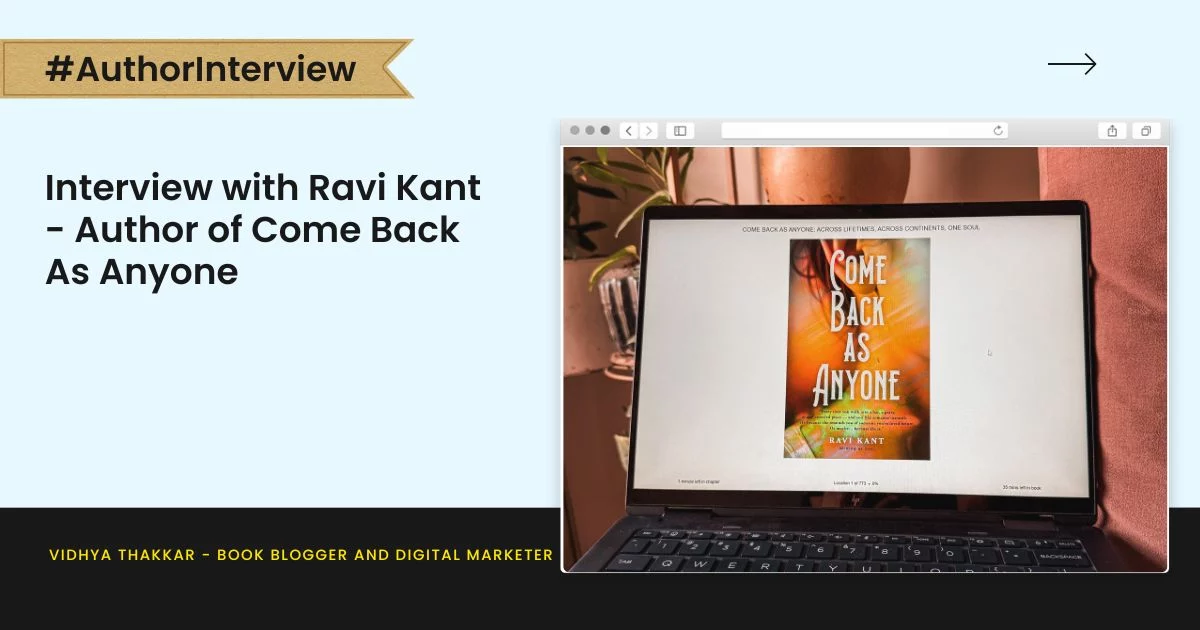
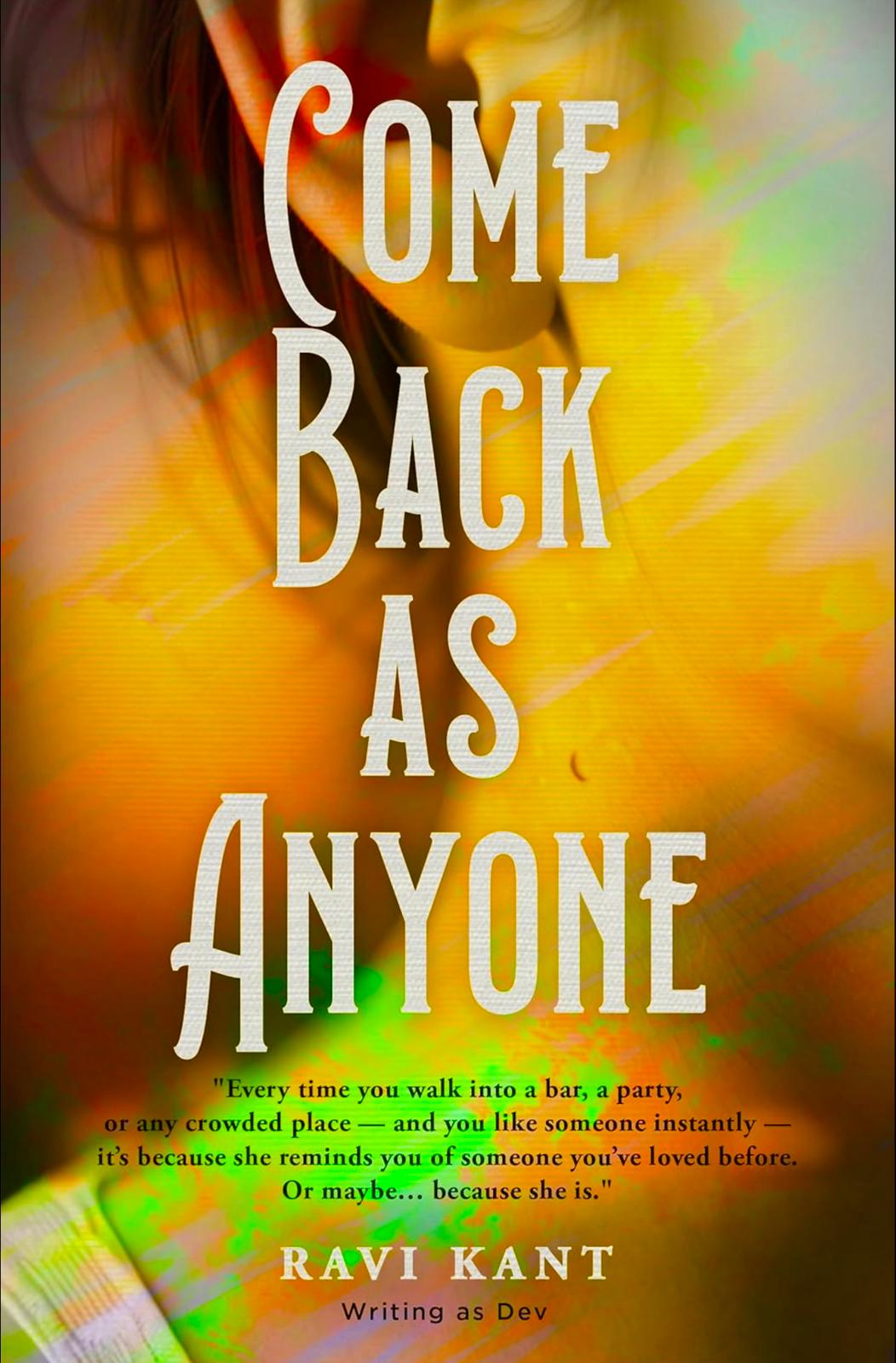
Get your copy here – https://amzn.to/3ZaTOt9
Also Read: Book Review: Come Back As Anyone by Ravi Kant – A Poignant Tale of Love, Loss, and Destiny
Interview
Q) Come Back As Anyone explores love recurring across lifetimes. What inspired you to write a story around this idea of soul and reincarnation?
I’ve always believed that some love stories don’t begin in this lifetime and don’t end with it either. Reincarnation felt less like a concept and more like a memory resurfacing. Come Back As Anyone was born from the belief that the soul remembers what the mind forgets, especially when it comes to love. Some people don’t enter your life for the first time. They return.
Q) Dev’s journey spans childhood, youth, and adulthood. How did you approach capturing his emotional evolution over such a long timeline?
I didn’t write Dev as a man growing older, I wrote him as a soul growing deeper. Each phase strips away illusion and adds understanding. Love doesn’t make him wiser instantly; loss does. Time didn’t change him. Experience did.
Q) The crescent moon mark is a subtle but powerful symbol. How did you conceptualize it, and what does it mean to you personally?
The crescent moon is the shape of becoming, never complete, never empty. To me, it represents unfinished love: stories paused, not ended. Some souls carry marks not as memories, but as promises.
Q) The story blurs the lines between fate, memory, and the soul. Was this intentional, and how did you achieve that tone?
Yes, very intentionally. Love rarely arrives with explanations. I wanted the story to feel like déjà vu, familiar without context, intimate without reason. Fate doesn’t announce itself. It feels like recognition.
Q) The book’s climax is open-ended, leaving readers with lingering questions. How do you decide what to reveal and what to leave for interpretation?
Because love rarely gives us closure, only truth. I trust the reader to feel what doesn’t need explaining. Not all endings are meant to close. Some are meant to echo.
Q) Dev is resilient yet vulnerable. How did you craft a character who endures repeated heartbreak without losing hope?
Hope, for Dev, isn’t optimism, it’s loyalty to a feeling he can’t abandon. He breaks, but he never betrays the part of himself that believes. The heart can shatter and still refuse to give up.
Q) How do you balance the emotional depth of characters with keeping the narrative moving forward?
Emotion is the movement. Every ache pushes the story forward more honestly than action ever could. Stillness can carry more momentum than motion.
Q) Were any characters inspired by real people or experiences from your own life?
Not in form, but in truth. Every character carries a real emotion I’ve either lived or witnessed. Fiction begins where personal truth needs distance.
Q)The story suggests that love is transformative, even if it doesn’t last. What is your perspective on love and its impact on a person’s life?
Duration has never been the measure of love for me. Transformation is. Some love stories don’t stay. They change you.
Q) Did writing this novel teach you anything new about grief, hope, or resilience?
It taught me that grief is love with nowhere to go and resilience is learning how to carry it without becoming bitter. Healing doesn’t erase love. It learns to hold it gently.
Q) How long did it take to write Come Back As Anyone, and what was the most challenging part of the writing process?
Years emotionally. Months on paper. The hardest part was knowing when to stop explaining and let silence speak. The most powerful moments are the ones you don’t overwrite.
Q) If you could give one piece of advice to readers trying to process love and loss, what would it be?
Don’t rush to forget. Some loves are meant to stay with you, not as pain, but as depth. What you loved deeply will shape you forever
Q) Which authors or books have influenced your writing style or storytelling approach?
I’m drawn to writers who trust silence, symbolism, and the reader’s emotional intelligence. I believe in stories that whisper instead of shout. Eric Segal for sure. Loved Doctors and The Class by him. Spanning decades.
Q) How do you hope readers feel or reflect after finishing Come Back As Anyone?
I hope they pause. I hope they remember someone. And I hope they question whether some connections are older than this life. If a reader feels less alone in their longing, the book has done its job.
Get your Book Reviewed by Vidhya Thakkar – Connect us Now